|
The Early Dunlops |
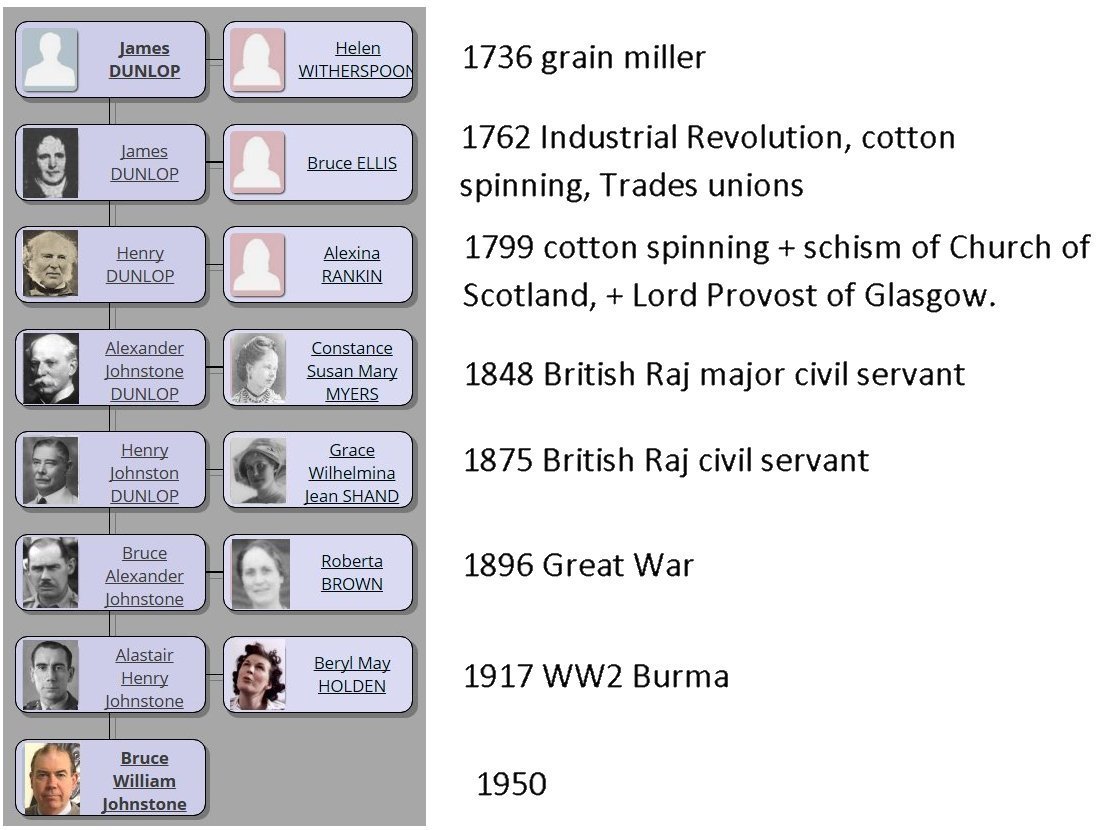
We are fortunate as able to trace our ancestry in the male line back to about 1736 and for posterity this is an account of the data for which there is written evidence. Those included, with year of birth:
There are five strands that tell of the era:
The tale end of the Colonial molasses trade in which the Rankins, Myers and Shands saw their fortunes made and the Abolition of Slavery which saw them wane.
The dawn of the Industrial Revolution in which the Dunlops, Scotts and Tennants played a leading role in building the wealth of Britain and her Empire.
The rise and fall of the British Raj and control of the Indian subcontinent.
Then the Great War (1914-18) and the Second World War (1939-45).
James Dunlop - 1736
James Dunlop married Helen Witherspoon on 26 August 1761 and lived in the parish of Neilston at Doucathall Mylne (a house which was formerly a grain mill at Dovecothall, a hamlet now part of Barrhead). He died 1812. They had three sons: firstly James; their next son, John died in infancy and so did the following son, also John.
 James was born on 25 June 1762
in Dovecothall. He married Bruce Ellis
(her forebears used the surname Alice) - he 30, she 23 - on 20 April
1793 in the parish of Abbey, Renfrewshire. It was the
beginning
of a time of great innovation; machines were being devised making use
of the energy of water. Previously it had been used with relatively
simple mechanisms for corn grinding. Using this energy to drive complex
cotton spinning machines was a massively productive innovation. James
set up a cotton spinning mill at on the Levern Water on the site of the
grain
mill that he owned: Gateside Mill. Following its success, Linwood mill
(1792), a mill in Dovecothall (Levern Mill -1798) and later the
Broomward Mill in Calton, Glasgow (around 1800). In 1818 he
named
his company James Dunlop & sons when he brought his three
oldest
sons into its management. It was also a time of great changes in
industrial relations, in particular because machines made it possible
to employ women who were cheaper and less militant than male workers.
It saw the rise of trades unions and laws opposing them (Combinations
Acts 1799 - which made collective action illegal). James gave evidence
at the House of Commons about the Trades Unions and how they influenced
his business in 1824. The act was repealed later that year.
James was born on 25 June 1762
in Dovecothall. He married Bruce Ellis
(her forebears used the surname Alice) - he 30, she 23 - on 20 April
1793 in the parish of Abbey, Renfrewshire. It was the
beginning
of a time of great innovation; machines were being devised making use
of the energy of water. Previously it had been used with relatively
simple mechanisms for corn grinding. Using this energy to drive complex
cotton spinning machines was a massively productive innovation. James
set up a cotton spinning mill at on the Levern Water on the site of the
grain
mill that he owned: Gateside Mill. Following its success, Linwood mill
(1792), a mill in Dovecothall (Levern Mill -1798) and later the
Broomward Mill in Calton, Glasgow (around 1800). In 1818 he
named
his company James Dunlop & sons when he brought his three
oldest
sons into its management. It was also a time of great changes in
industrial relations, in particular because machines made it possible
to employ women who were cheaper and less militant than male workers.
It saw the rise of trades unions and laws opposing them (Combinations
Acts 1799 - which made collective action illegal). James gave evidence
at the House of Commons about the Trades Unions and how they influenced
his business in 1824. The act was repealed later that year.
Further details and maps can be found here.
They had eleven children: James (1794-1824), Robert (1796-1825), Cleland (female 1797-1863), Henry (1799-1867), Helen, Charles (1802-1851), William (1803-62), John (1805-1875), Colin (1807-27), Bruce (female 1808-47), Margaret (1811-51). The first four of his children were born in Linwood, the remainder in Glasgow. The older two sons pre-deceased him. He later lived in Linwood and died 2 July 1826 in Largs (aged 64). His wife died aged 87 in Edinburgh. We are interested in the third child – Henry.
Henry was born 7 June 1799 in Linwood, in the parish of Kilbarchan. He attended the High School of Glasgow and Glasgow University. His father was reaching the peak of his industrial career and in 1818 Henry (aged 18) was brought into his father (James') business with his two older brothers (James and Robert). His brother Robert went out to the United States in 1821 to investigate the competetion. His brother James died in 1824 and Robert the following year. He married Ann Carnie in April 1826 and his father died in July that year. This left him the mainstay of the substantial family business at the age of 27. He went on to become a man of wealth, influence and reputation. He expanded his business interests to include the burgeoning railway industry.
By his first wife, Ann Carnie, he had two children: Margaret Anne (19 May 1827) and James (8 October 1828); these are the subject of an oil painting which we have. Margaret died aged 10 and was buried on 20 February 1838. James went on to live with and work in his father’s business. He married aged 43 in London and died aged 69.
Henry's wife, Ann died in 1829 and Henry married Alexina Rankin on 2 December 1831. They went on to have a further ten children: Elizabeth Bruce (Aunt Bu), Henry, John Rankin, Charles, Alexina Rankin, Colin Hinton, Robert Bruce Ellis, Helen Scott, William George and Alexander Johnstone. (the additional-names: Rankin, Hinton, Ellis and Johnstone are all in recognition of his wife's family). Their daughter Alexina died in 1846.
Henry is shown in the census as living: 1841 - Broomfields, Largs; 1851 - Craigton House, Govan; 1861 - Arthurlie House, Barrhead. The younger members of the family continued to be at Broomfields in 1861 with their aunt Margaret Rankin plus a governess and three servants.
He lived in Craigton House in Govan from 1830 until about 1858 with his wife, older children, a tutor and eight servants. (It burnt down some time after the photograph was taken: 1870) and its site is now subsumed in a housing estate. We have inherited a pencil drawing of the house.
He was elected Lord Provost of Glasgow in 1837 aged only 37, one of the city's youngest Lord Provosts. His was a bitterly contested election which had to be settled by the House of Lords. In the Disruption of 1843 nearly half of the Church's ministers broke away from the established church over the issue of the the State's seeking power over the Church's affairs. He played a leading role in the political guidance in the formation of the Free Church of Scotland . He is pictured in a painting of the event by David Octavius Hill which hangs in the Assembly Hall on the Mound. In 1854 he was elected a Fellow of the Royal Society of Edinburgh proposed by John Learmonth the former Lord Provost of Edinburgh and the man who built the Dean Bridge. He was later Vice Chairman of the Edinburgh and Glasgow Railway and remained Vice Chairman when it amalgamated to create the far larger North British Railway
Other appointments: Deputy chairman of the Clyde River Trust. Thrice Chairman of the Glasgow Chamber of Commerce. For twenty years Deputy-chairman of the Edinburgh and Glasgow Railway Company. President of the Glasgow Bible Society from 1850 to 1861.
Henry moved to Arthurlie House, Barrhead and lived there with his wife, five grown up children and seven servants.
He died on 10 May 1867 in Edinburgh. Alexina died in 1872.
 Sprung from an old and well
known family Mr Dunlop has always
maintained a prominent position among Glasgow manufacturers. In early
life he took an active part in municipal business, serving in the Town
Council, and filling for the usual term, some eight and twenty years
ago, the office of Lord Provost. About the same time he manifested a
warm interest in the ecclesiastical controversy which led to the
Disruption. When matters began to wear towards a crisis he took a
somewhat conspicuous part in the proceedings of the Assembly, and, it
may be remembered, seconded the motion for the suspension of the
Strathbogie ministers. He also contested the Parliamentary
representation of Bute in the Liberal interest, with the ulterior view
of forwarding a non-intrusion policy in the Church. In this enterprise,
however, he was unsuccessful. For many years Mr Dunlop had a
considerable share in the management of the Edinburgh and Glasgow
Railway, acting as deputy-chairman of the Board of Directors down to
the date of the amalgamation with the North British Company. He
likewise took a leading part in the business of the Glasgow Chamber of
Commerce, and during the period of distress occasioned by the failure
of the cotton supply he was assiduous in his labours as a member of the
Relief Committee. Of late years Mr Dunlop has pretty much withdrawn
himself from public life; quite recently, we understand, he has spent
some time in America. His death will leave a blank in our community,
where he was generally esteemed as a man of amiable manners, of high
integrity, and good general information.
Sprung from an old and well
known family Mr Dunlop has always
maintained a prominent position among Glasgow manufacturers. In early
life he took an active part in municipal business, serving in the Town
Council, and filling for the usual term, some eight and twenty years
ago, the office of Lord Provost. About the same time he manifested a
warm interest in the ecclesiastical controversy which led to the
Disruption. When matters began to wear towards a crisis he took a
somewhat conspicuous part in the proceedings of the Assembly, and, it
may be remembered, seconded the motion for the suspension of the
Strathbogie ministers. He also contested the Parliamentary
representation of Bute in the Liberal interest, with the ulterior view
of forwarding a non-intrusion policy in the Church. In this enterprise,
however, he was unsuccessful. For many years Mr Dunlop had a
considerable share in the management of the Edinburgh and Glasgow
Railway, acting as deputy-chairman of the Board of Directors down to
the date of the amalgamation with the North British Company. He
likewise took a leading part in the business of the Glasgow Chamber of
Commerce, and during the period of distress occasioned by the failure
of the cotton supply he was assiduous in his labours as a member of the
Relief Committee. Of late years Mr Dunlop has pretty much withdrawn
himself from public life; quite recently, we understand, he has spent
some time in America. His death will leave a blank in our community,
where he was generally esteemed as a man of amiable manners, of high
integrity, and good general information.
A biography from Memoirs and Portraits of One Hundred Glasgow Men is here.
Further details can be found here
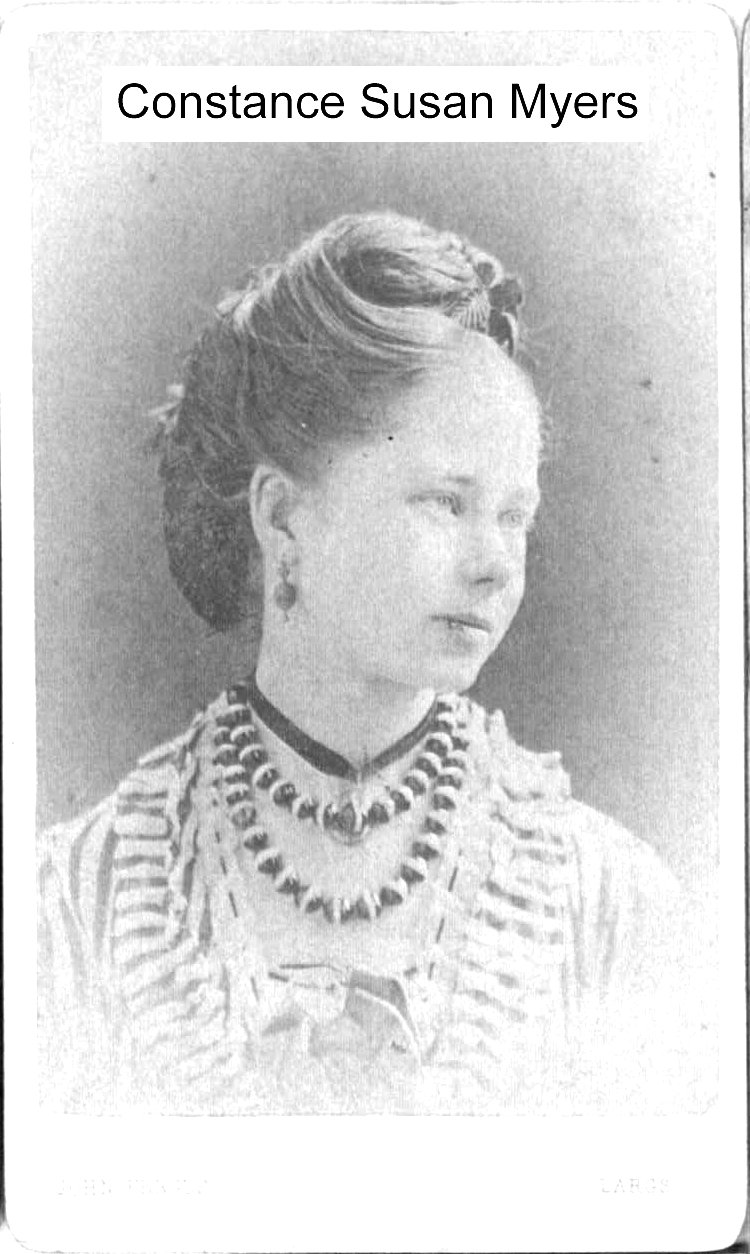
Alexander Johnstone Dunlop was born on 7 April 1848, the youngest of Henry’s children. He attended St Bernard's School, Stockbridge then prsumably Heriot's. He entered the Indian Civil Service in Berar, Madras probably by 1870. He married (aged 25) his first cousin (once removed) Constance Susan Mary Myers on 20 May 1873 at St John's Episcopal Church, Edinburgh (at the West end of Princes Street) – she was aged 22.
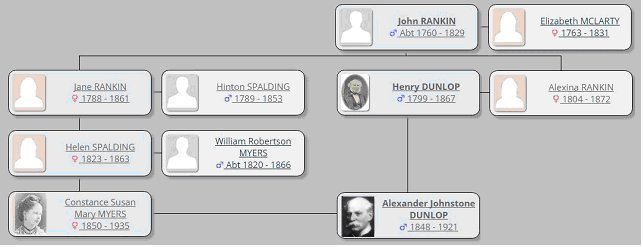
They had three children: Alexina Johnston (25 March 1874), Henry Johnston (24 June 1875) and William Bruce (2 November 1877). It seems that Constance used the spelling Johnston rather than Johnstone. For some thoughts on this look here.
Alexina was drowned aged 18 in 1892 when the SS Roumania was wrecked off Portugal en route to Bombay. Of the 122 passengers and crew only 9 survived.
 In
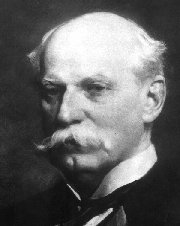
1885 (aged about 36) he assumed the appointment
of Director General
of Revenue of the Nizam’s Government. His position was
tantamount
to the Minister of Finance for Hyderabad, a state with a population of
11 million and area similar to that of the UK. In 1889 he was the
Famine Commissioner. He retired in 1911 aged 63. He had been awarded
Companion
of the Order of the Indian Empire: Kaisar-i-Hind Medal Second
Class (Silver) and the Delhi Durbar Medal 1911.
In
1885 (aged about 36) he assumed the appointment
of Director General
of Revenue of the Nizam’s Government. His position was
tantamount
to the Minister of Finance for Hyderabad, a state with a population of
11 million and area similar to that of the UK. In 1889 he was the
Famine Commissioner. He retired in 1911 aged 63. He had been awarded
Companion
of the Order of the Indian Empire: Kaisar-i-Hind Medal Second
Class (Silver) and the Delhi Durbar Medal 1911.
He was President of the Secuderabad Club from 1907-1914.
AJ and Constance bought Crescent Lodge in Largs, only 90 metres from the house he had lived in as a boy – Broomfield Cottage.
He died in Largs on 25 October 1921. On his grave is written “by careful organization and wise administration he enriched the state and made the people prosperous. By his work in the Great Famine of 1899 he saved hundreds of thousands of lives. The people of Hyderabad annually feed the poor in remembrance of his life work they call him "Mabap" (our father)”
Constance died in Largs on 8 March 1935 and is buried with him.
An extract which reminisces
about Alexander
Johnstone Dunlop written in
1945 is included here.
Henry Johnston (HJ)
Henry Johnston was born 24 June 1875 in Madras. He attended Sedbergh School from 1888-92.
He married his 2nd cousin, Grace Wilhelmina Jean Shand in London on 4th April 1895. He was 19 and she 27. He was 2nd Lieutenant of 4th (Militia) Battalion King's Own Liverpool Regiment. He had given his age as 21 on the marriage certificate.
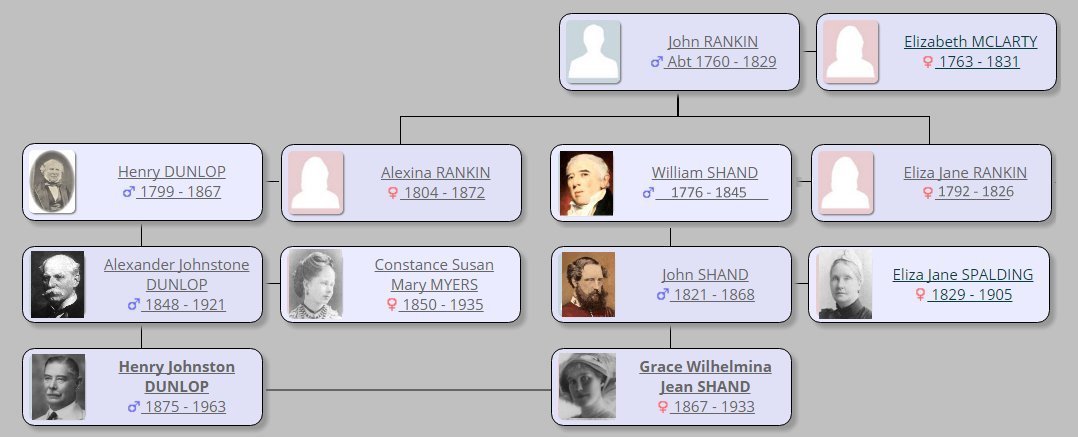
Grace was the grand-daughter of William Shand (1776–1845). It is his portrait that we have inherited. He was a prominent agent and owner of sugar plantations in Jamaica. We shall discuss him later.
Their son Bruce AJ Dunlop was born in Middleton, New York (state) on 9th May 1896.
Why HJ and Grace were in the USA is unclear but his uncle (Henry of Craigton’s second son, also Henry) had moved to Canada by 1861. He was working in the cotton spinning industry and had started a family of his own. He was in New York State in 1880 though over 100 miles from where BAJ was born.
HJ and Grace went out to India around 1900. Their other two children were born there: Ronald John (28 October 1901 - 1976) and Constance Helen Jean (22 March 1908 - 1992) and known to us as Grand Jean. She married Jack Palmer who went on to become an eminent civil engineer.
 He
was a storekeeper in the Hyderabad State
Railways in 1902 but went
on to have a successful career in the Indian Civil Service rising to
the position of Traffic Manager. He left this post in 1929 (aged 54).
Intriguingly his occupation is listed as Factory Manager on the
passenger list of the SS Rawalpindi in 1928 and states his future
permanent residence will be India. This may have been because the clerk
misheard “Traffic Manger” but also a new cotton
mill
was
opened in Secunderabad at that time so he may have swapped jobs. His
wife’s death, the war and Indian Independence will all have
threatened his plans. He gives his occupation as Retired Traffic
Manager Indian Railways in his will. Grace died in Bedford on 16 April
aged
66 (Henry's brother William Bruce Dunlop died later that same
year). HJ died in Lowestoft in 1963 aged 88.
He
was a storekeeper in the Hyderabad State
Railways in 1902 but went
on to have a successful career in the Indian Civil Service rising to
the position of Traffic Manager. He left this post in 1929 (aged 54).
Intriguingly his occupation is listed as Factory Manager on the
passenger list of the SS Rawalpindi in 1928 and states his future
permanent residence will be India. This may have been because the clerk
misheard “Traffic Manger” but also a new cotton
mill
was
opened in Secunderabad at that time so he may have swapped jobs. His
wife’s death, the war and Indian Independence will all have
threatened his plans. He gives his occupation as Retired Traffic
Manager Indian Railways in his will. Grace died in Bedford on 16 April
aged
66 (Henry's brother William Bruce Dunlop died later that same
year). HJ died in Lowestoft in 1963 aged 88.
Images of HJ and Grace can be found here
| The Shands |
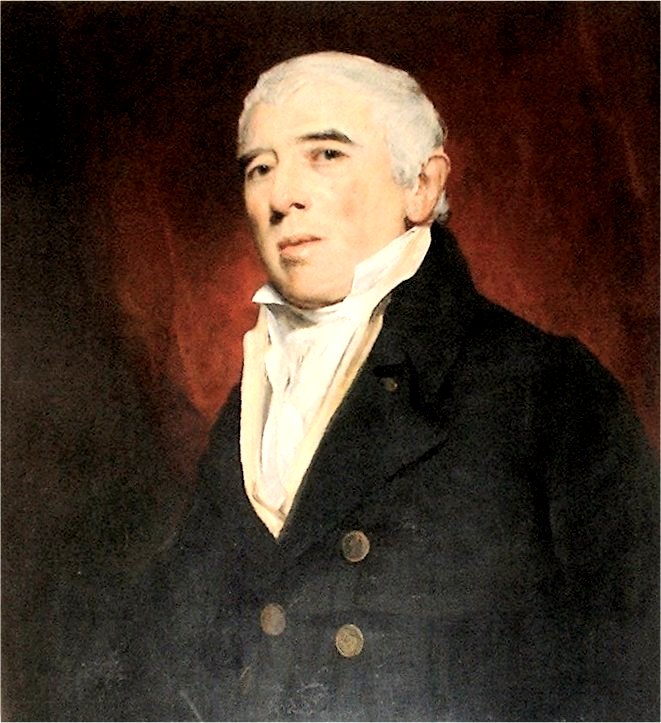 William Shand (born 1776) was the son
of a
Kincardineshire wine
merchant. His older brother John (born 1759) had taken over their
father's business as a
young man but mismanaged it and acquired debts which led him to abandon
Scotland in the early 1880s and travel to Jamaica. There he worked as
an estate manager and attorney (agent looking after the business of
estates) gradually acquiring four properties of his own. In
1791, aged 15, William followed his brother to Jamaica. Starting out as
an estate manager and similarly becoming an estate attorney also
acquiring at least three properties of
his own: a sugar plantation, coffee plantation and an animal pen
(providing livestock for the other properties). These were run using
hundreds of slaves. The British Slave Trade was outlawed in 1807. This
made the traffic of slaves illegal though it remained lawful to own
them until 1834.
William Shand (born 1776) was the son
of a
Kincardineshire wine
merchant. His older brother John (born 1759) had taken over their
father's business as a
young man but mismanaged it and acquired debts which led him to abandon
Scotland in the early 1880s and travel to Jamaica. There he worked as
an estate manager and attorney (agent looking after the business of
estates) gradually acquiring four properties of his own. In
1791, aged 15, William followed his brother to Jamaica. Starting out as
an estate manager and similarly becoming an estate attorney also
acquiring at least three properties of
his own: a sugar plantation, coffee plantation and an animal pen
(providing livestock for the other properties). These were run using
hundreds of slaves. The British Slave Trade was outlawed in 1807. This
made the traffic of slaves illegal though it remained lawful to own
them until 1834.
In 1816 John returned to Scotland and bought the estate of The Burn and Arnhall near Fettercairn. He handed over attorney responsibilities to William. He sought out those to whom he was indebted and repaid them. He had had several children by his freed slave "housekeeper": his daughter, Francis Batty Shand, went on to found the Cardiff Institute for the Blind and Shand House is named after her.
In about 1820, aged 44, William married Eliza Jane Rankin in Jamaica. She was about 28.
Their son John was born 15 March 1821, Hinton on 5 October 1822. William returned to Scotland in 1823 and his son, also William was born at Balmakewan in 4 May 1824.
In the 1820s William Shand started distilling whisky at Fettercairn using his experience of making rum on his brother’s sugar plantations. For at least ten years he ran parallel experiments in Jamaica and Scotland to improve his rum and whisky production and patented a piece of distilling equipment for producing cleaner and purer alcohol.
He returned to Jamaica with his family in January 1825. His brother John died in Scotland on 28 July 1825 and William inherited his estates. On 5 September 1825, Eliza gave birth to a daughter, also Eliza. William's wife (Eliza) died on 16 February 1826 at Mammee Gully and William left Jamaica in May that year returning to Scotland. In 1827 he married Christina Innes. In 1832 they had a son, Alexander Innes Shand, who went on to become a notable author.
Also in 1832, William gave detailed evidence to the Parliamentary Committee looking at the extinction of slavery. The following year parliament passed the Slavery Abolition Act.It turned out that William's brother John had gained great wealth in Jamaica but he had also acquired substantial debts which had also passed to William. The estate in Scotland was subject to sequestration (bankruptcy) in 1834. In 1841 he was living at 1 Somerset Place, Glasgow with his wife, five children and 3 servants though is only shown at that address for that year in the Post Office directory. He died in 1845.
He is memorialised at his wife's family plot at Fettercairn,
It is his portrait, painted when he was successful which we have inherited.
His evidence to Parliament can be found here. It is sympathetic to the planter's support of slavery portaying it as a lesser evil than the working conditions in British factories. It's view is countered by a first hand 1833 account by Henry Whiteley to be found here.
More about the Shand story is here.
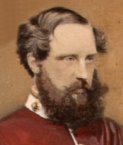 William’s
son John was born in Jamaica on 15 March 1821. On 6 July 1842 he was
commissioned into the Madras Army and joined 51st
Regiment
Madras Native Infantry (East India Company). The Indian Mutiny
(Rebellion) raged in 1857-58 though not in the Madras. On 24 February
1859, aged 37, he married
his cousin Eliza Jane Spalding in Munich (she was 29). He was promoted
Captain in 1861 and the same year their first child was born: Jane
Eliza Helen Nathalie (1861-1949), two daughters died at birth and then
Lillian Susan Alexina (1866-1950) was born followed by Grace Wilhelmina
Jean (“Moses”) on 26 July 1867. Captain Shand was
promoted
to Major in 1865 and Lieutenant Colonel 6 February 1868. He died while
travelling by sea from India to Scotland on 4 March 1868 aged 46.
William’s
son John was born in Jamaica on 15 March 1821. On 6 July 1842 he was
commissioned into the Madras Army and joined 51st
Regiment
Madras Native Infantry (East India Company). The Indian Mutiny
(Rebellion) raged in 1857-58 though not in the Madras. On 24 February
1859, aged 37, he married
his cousin Eliza Jane Spalding in Munich (she was 29). He was promoted
Captain in 1861 and the same year their first child was born: Jane
Eliza Helen Nathalie (1861-1949), two daughters died at birth and then
Lillian Susan Alexina (1866-1950) was born followed by Grace Wilhelmina
Jean (“Moses”) on 26 July 1867. Captain Shand was
promoted
to Major in 1865 and Lieutenant Colonel 6 February 1868. He died while
travelling by sea from India to Scotland on 4 March 1868 aged 46.
Grace Shand married Henry Johnston Dunlop in 1875.
Shand/Dunlop women (Spalding descendents) were living in Ealing at the census of 1891 marked in red boxes in this tree. This also shows the interwoven heritage.
A photograph of the four Shand women survives.
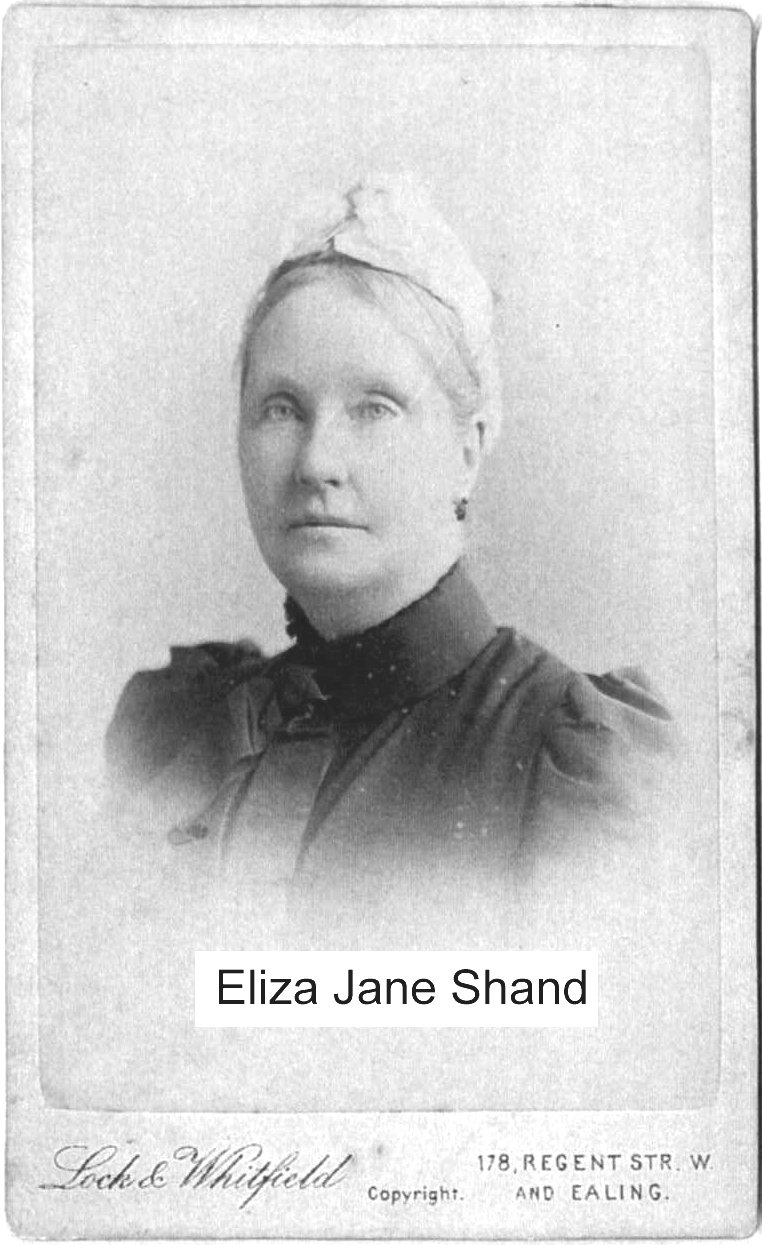 |
 Four Shand women including Eliza Jane Spalding and Mrs Henry Johnston Dunlop |